Nervous patients calm down with the HappyMed Video Glasses!
Less anxiety, stress & sedatives during medical procedures. Use audiovisual distraction instead of medication-induced sedation. Minimize associated risks such as delirium. Improve patient satisfaction at the same time. Use the HappyMed Video Glasses!
THE SOLUTION
Audiovisual Sedation with the HappyMed Video Glasses
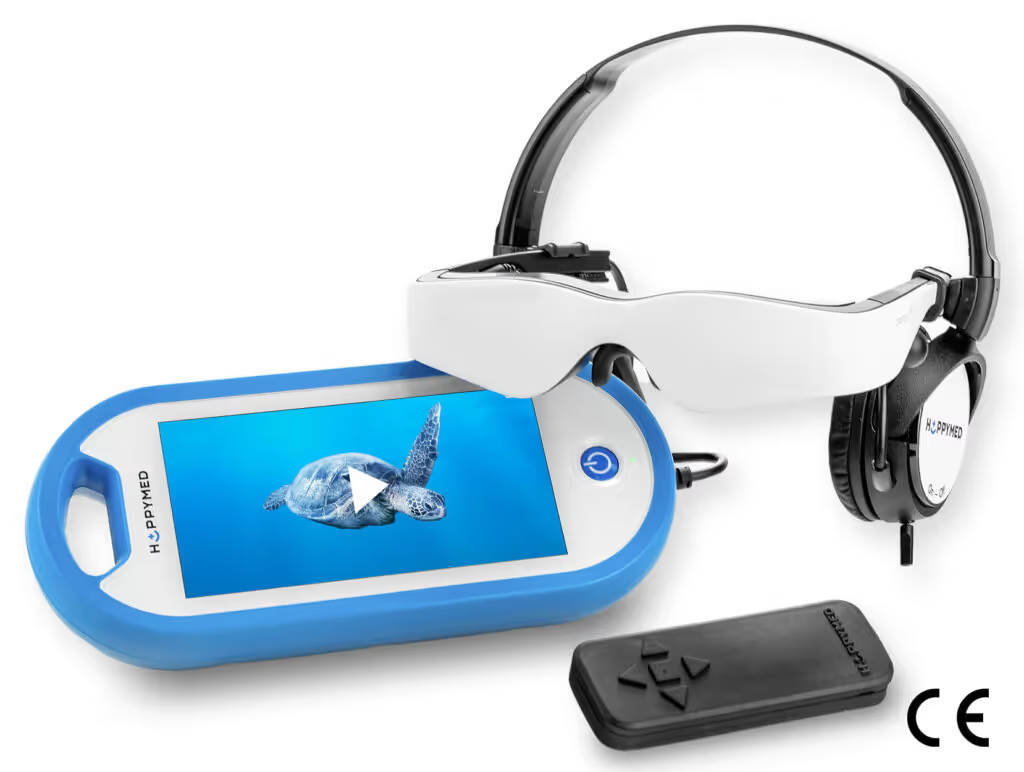
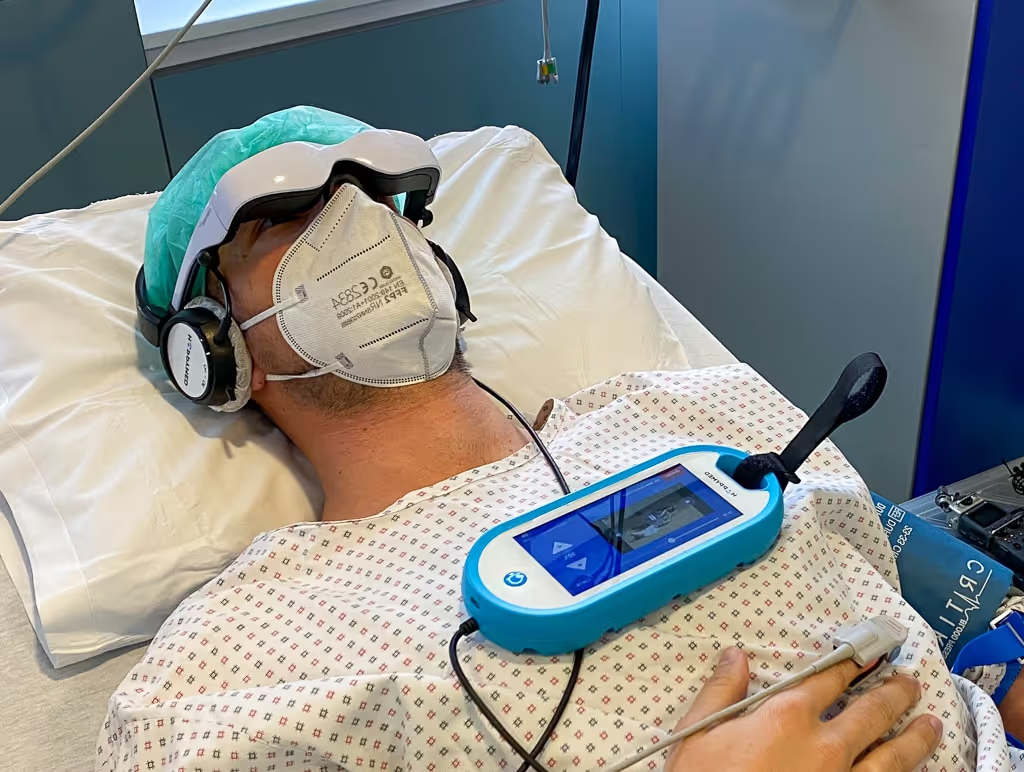
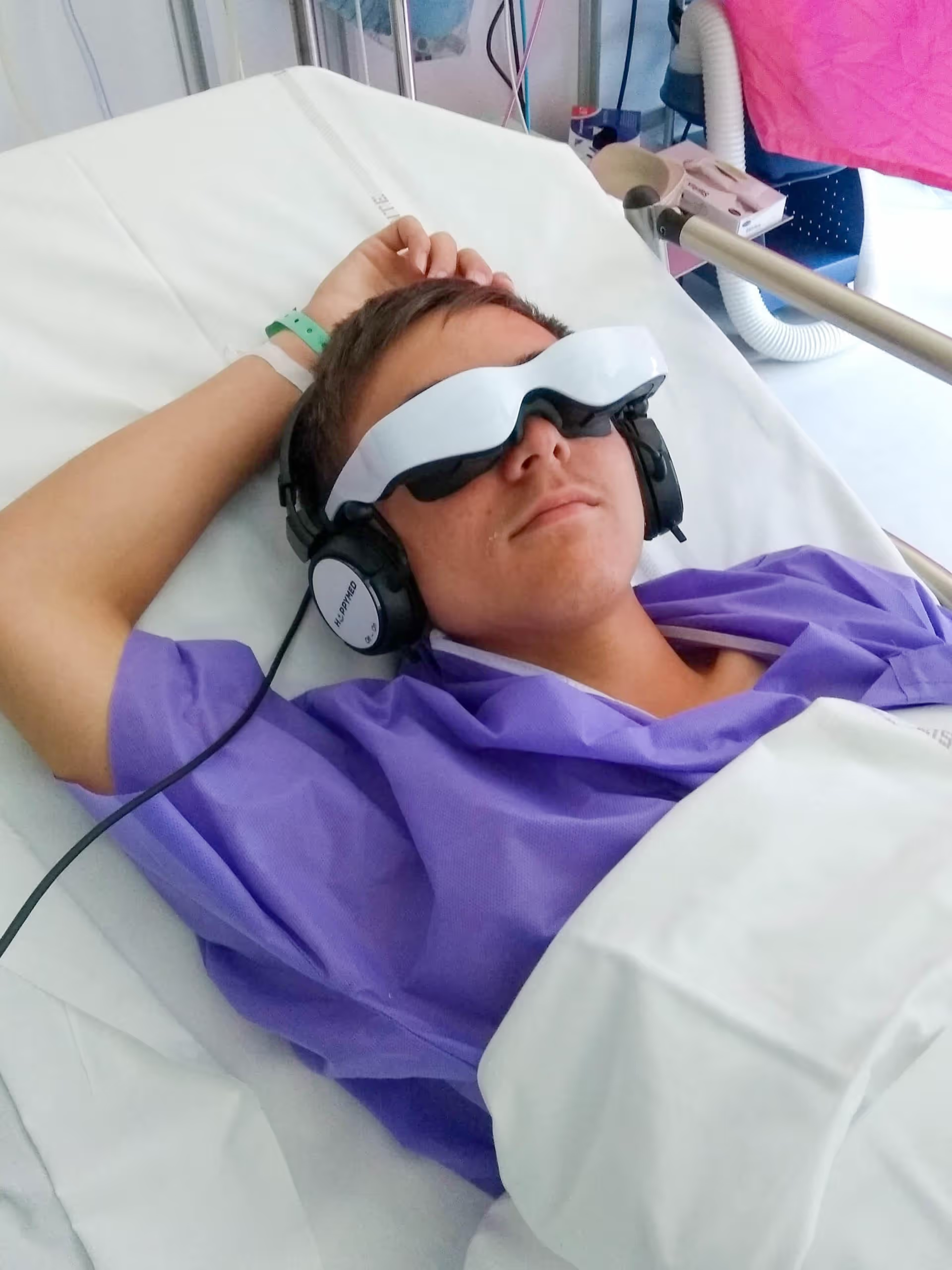
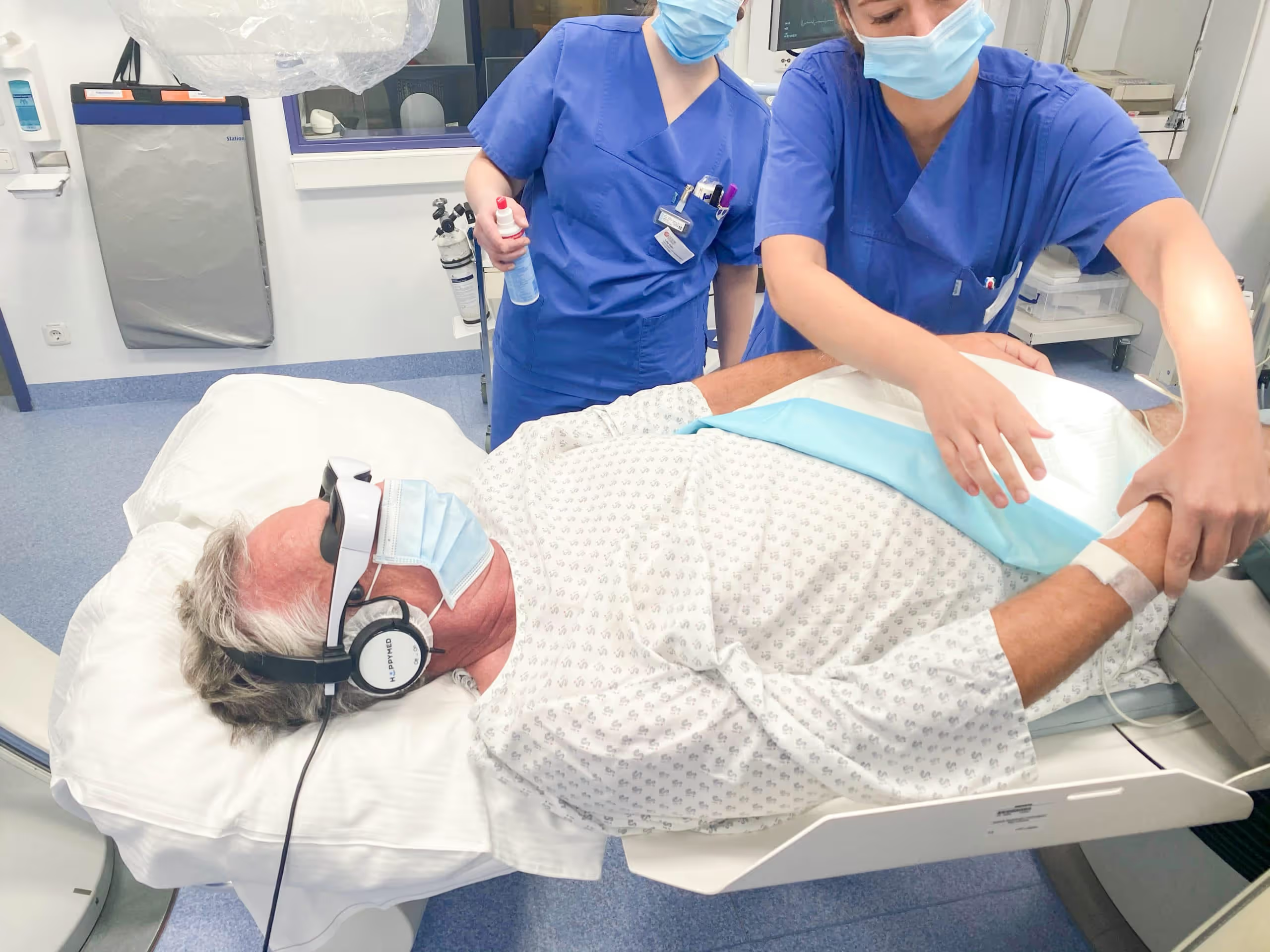
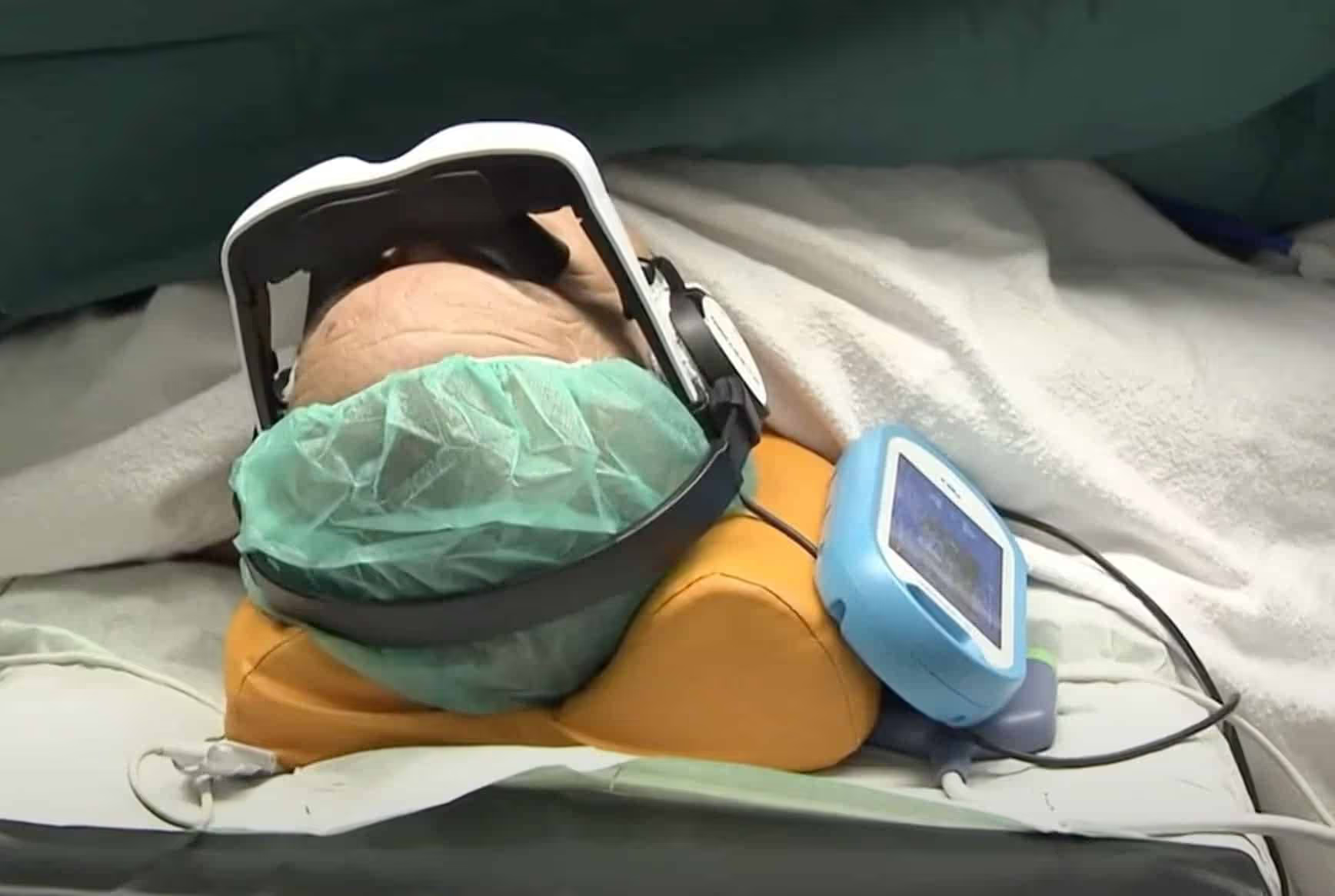
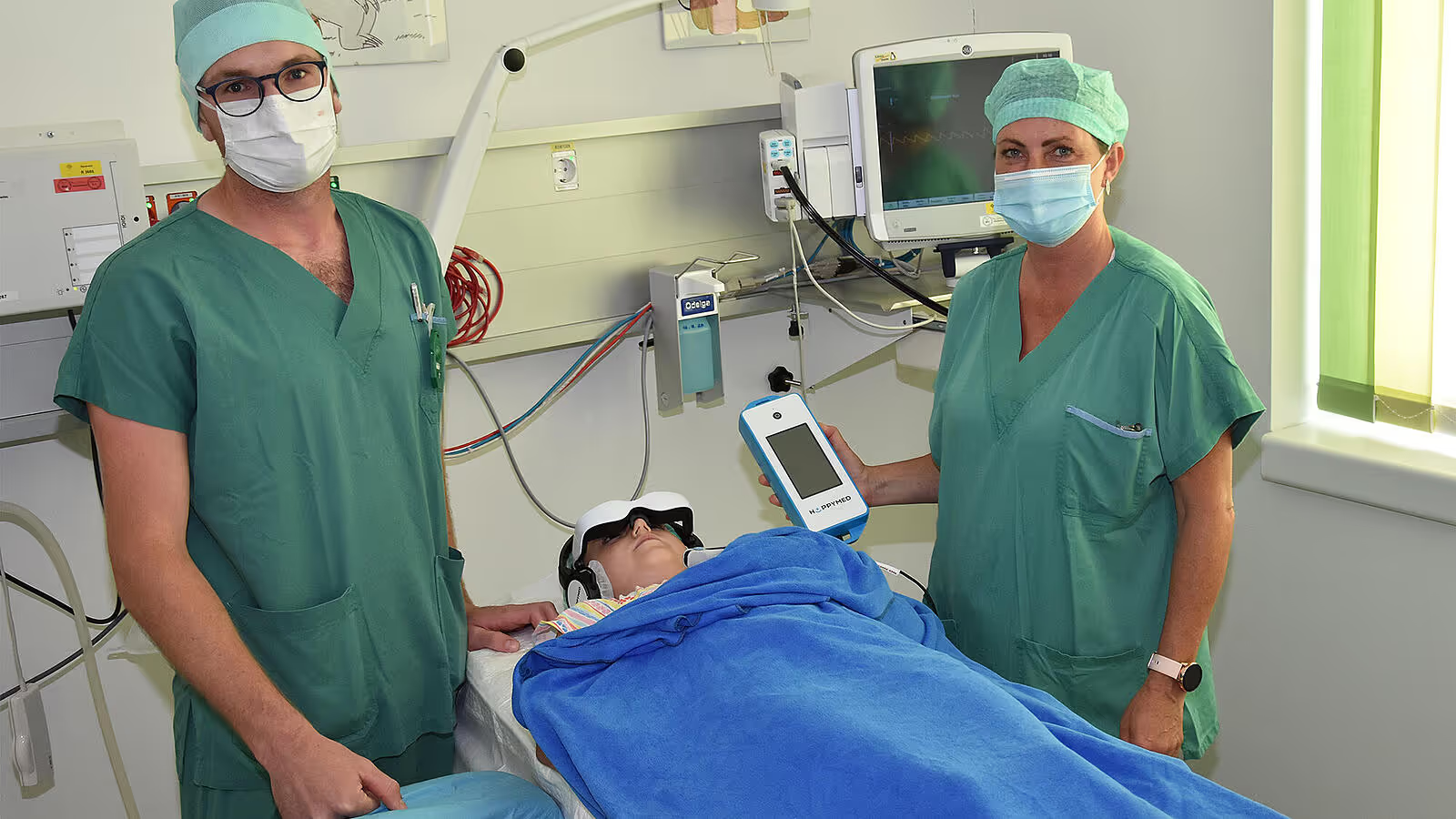
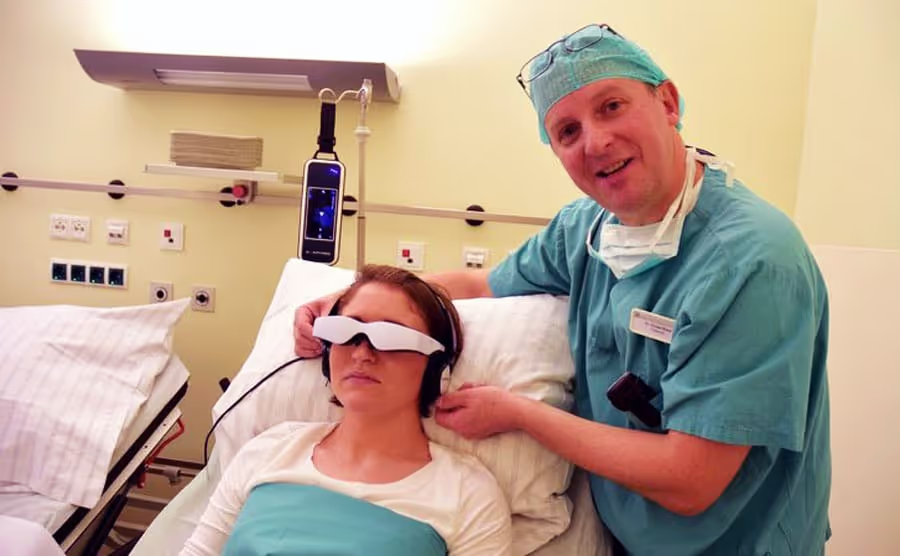
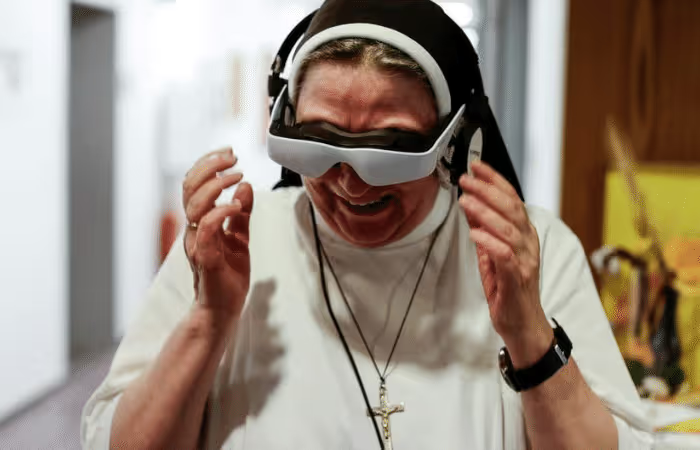
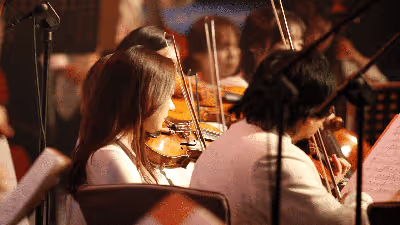
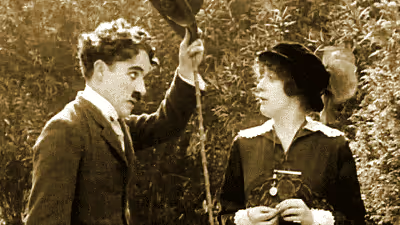
HappyMed immerses your patients in another world. Travel and nature documentaries, comedies or classical concerts calm patients down and provide positive distraction.
The video glasses were especially developed for application in the medical field and are a CE-marked Class I medical device. Easily manageable, intuitive, hygienic, mobile and ready-to-use!
Profitable
Your Potential for Cost Savings
The savings result from reduced medication costs, shorter hospital stays, and fewer complications. Calculate your individual savings potential with our interactive calculator.
Proven in clinical practice
More than 300,000 applications
Trusted by over 300 hospitals worldwide across anesthesiology, cardiology, oncology, dentistry, and many other medical specialties.
















Trusted
Successfully used in more than 300 clinics










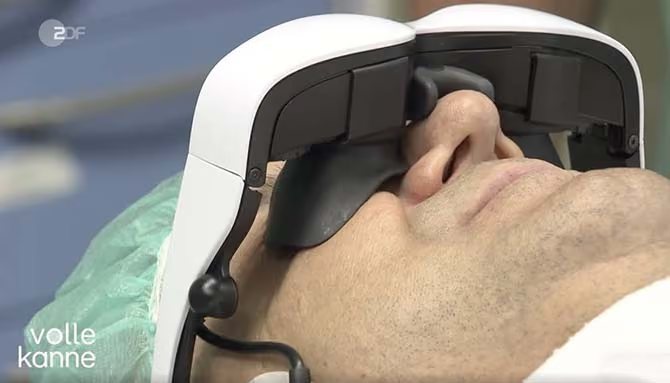
HOW HAPPYMED VIDEO GLASSES WORK
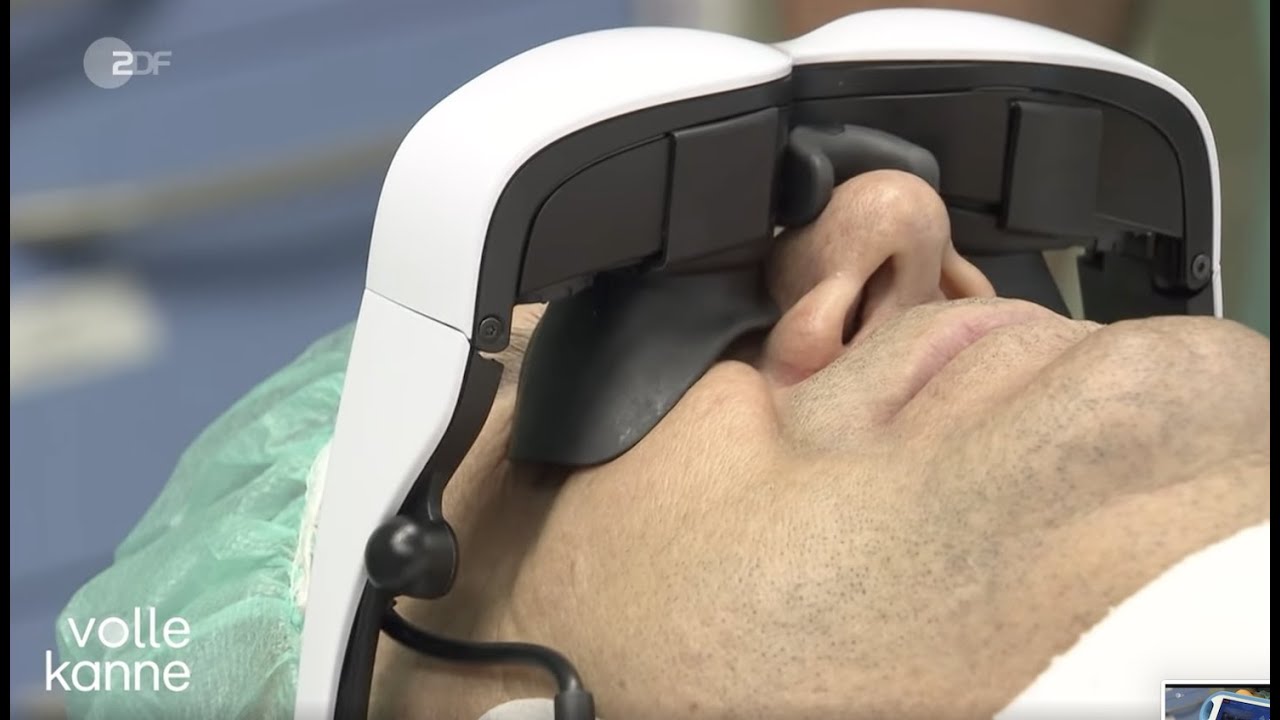
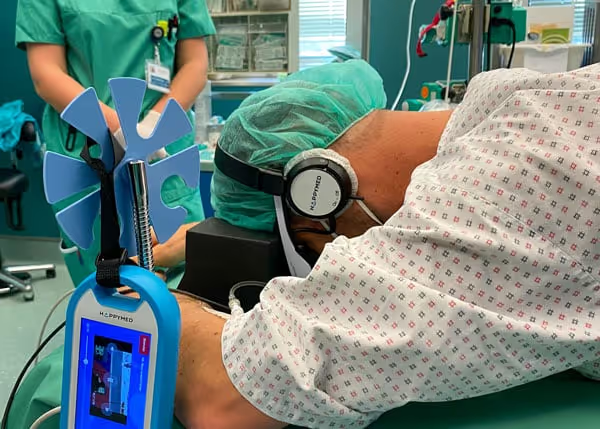
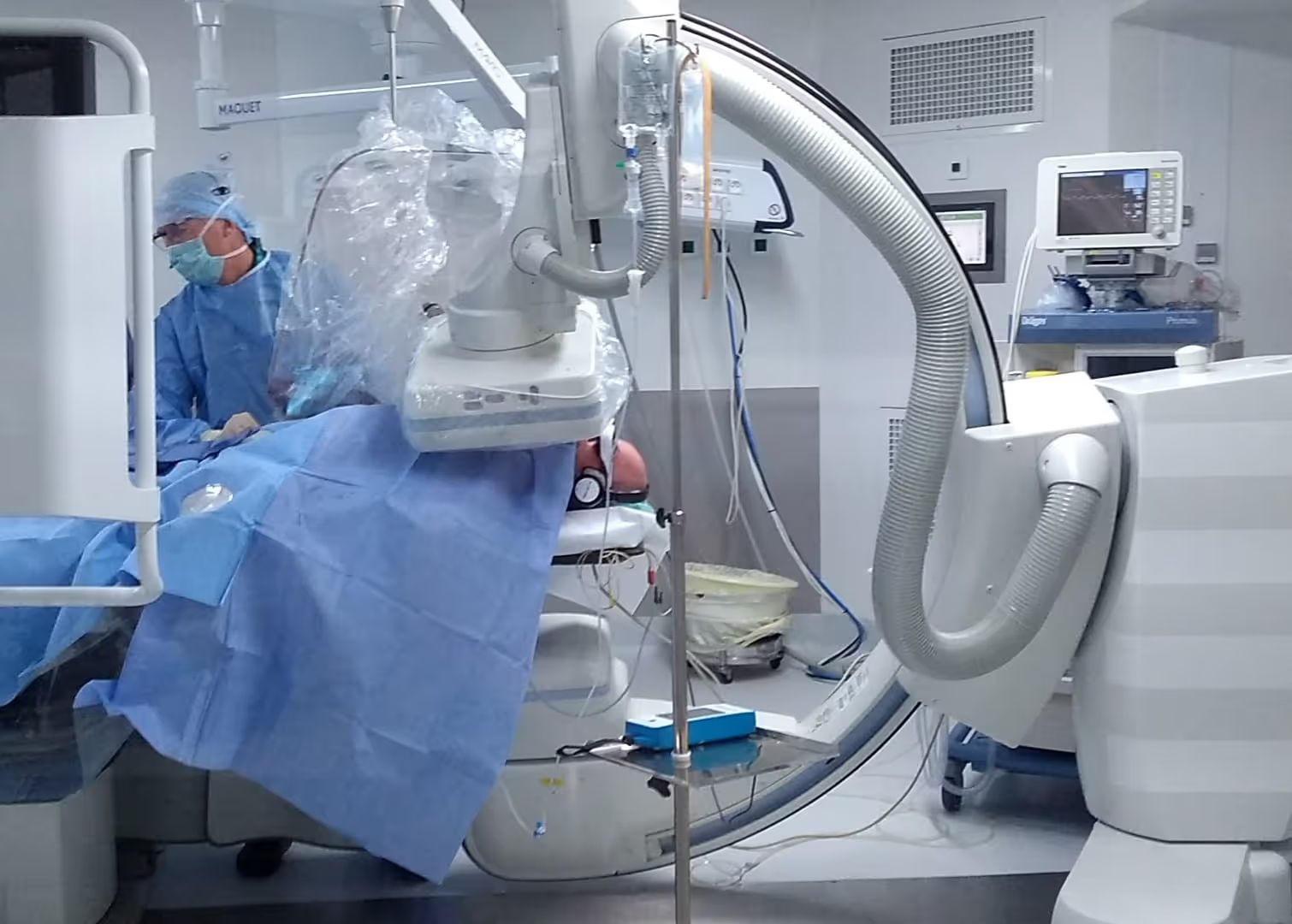
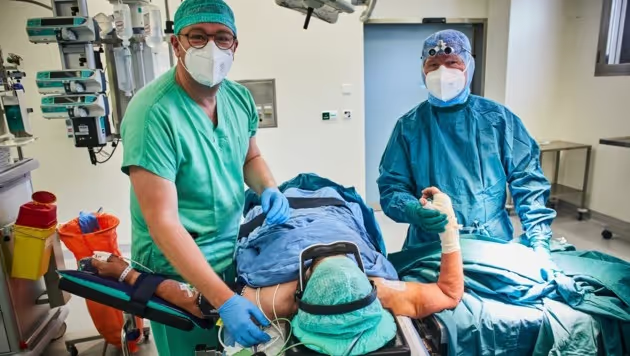
German national TV reporting about the use case during a knee surgery under regional anaesthesia
Let your patients immerse themselves in a different visual and acoustic world, allowing stressful sensory impressions to fade into the background while reducing stress, anxiety, and pain perception.
MEDIa LIBRARY
Over 110 videos provide visual and auditory distraction
The programme offers a choice of entertainment or relaxation for all ages. You can download the current film list as a PDF here.






APPLICATIONS
Widely used across many medical specialties

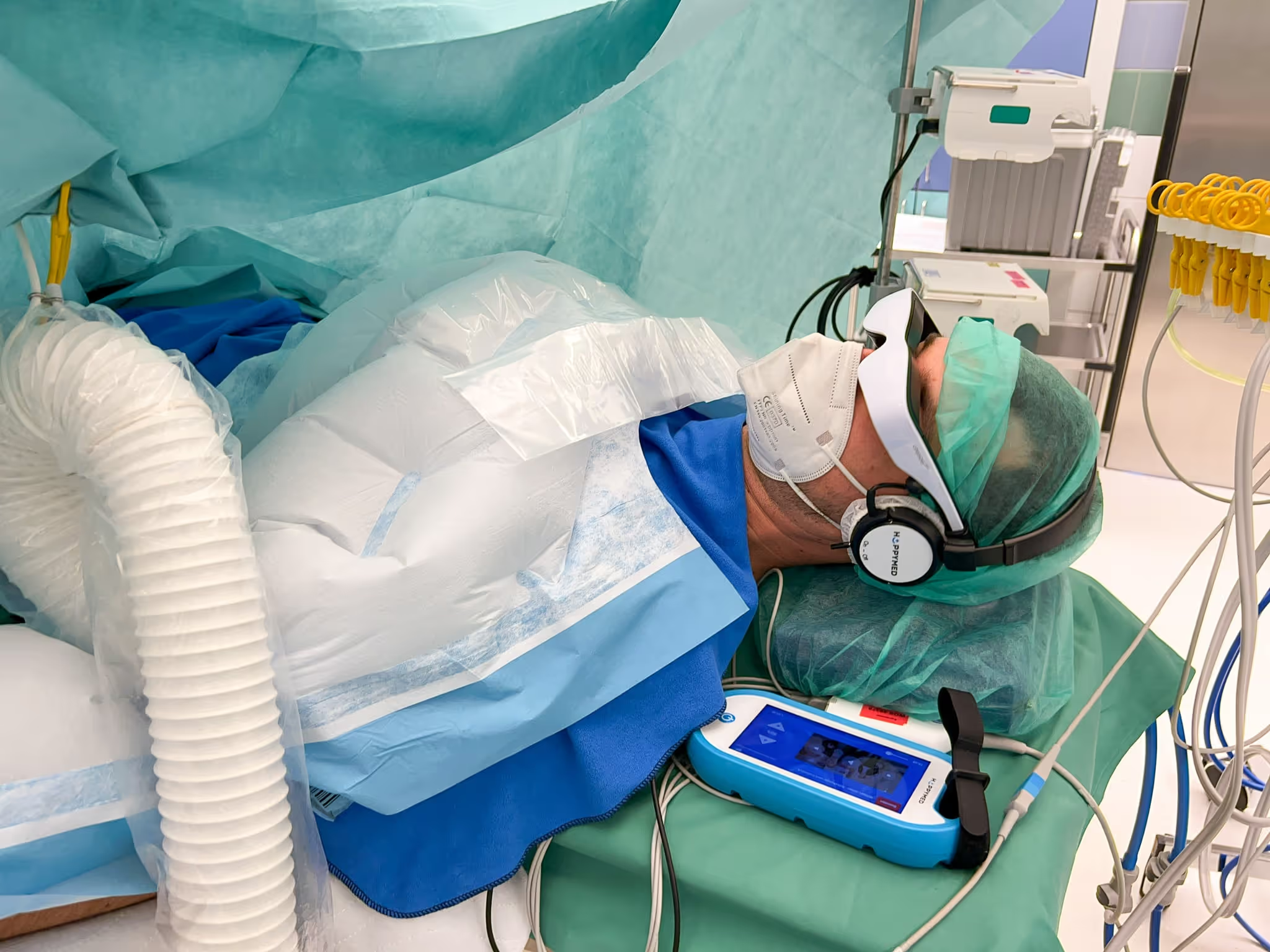
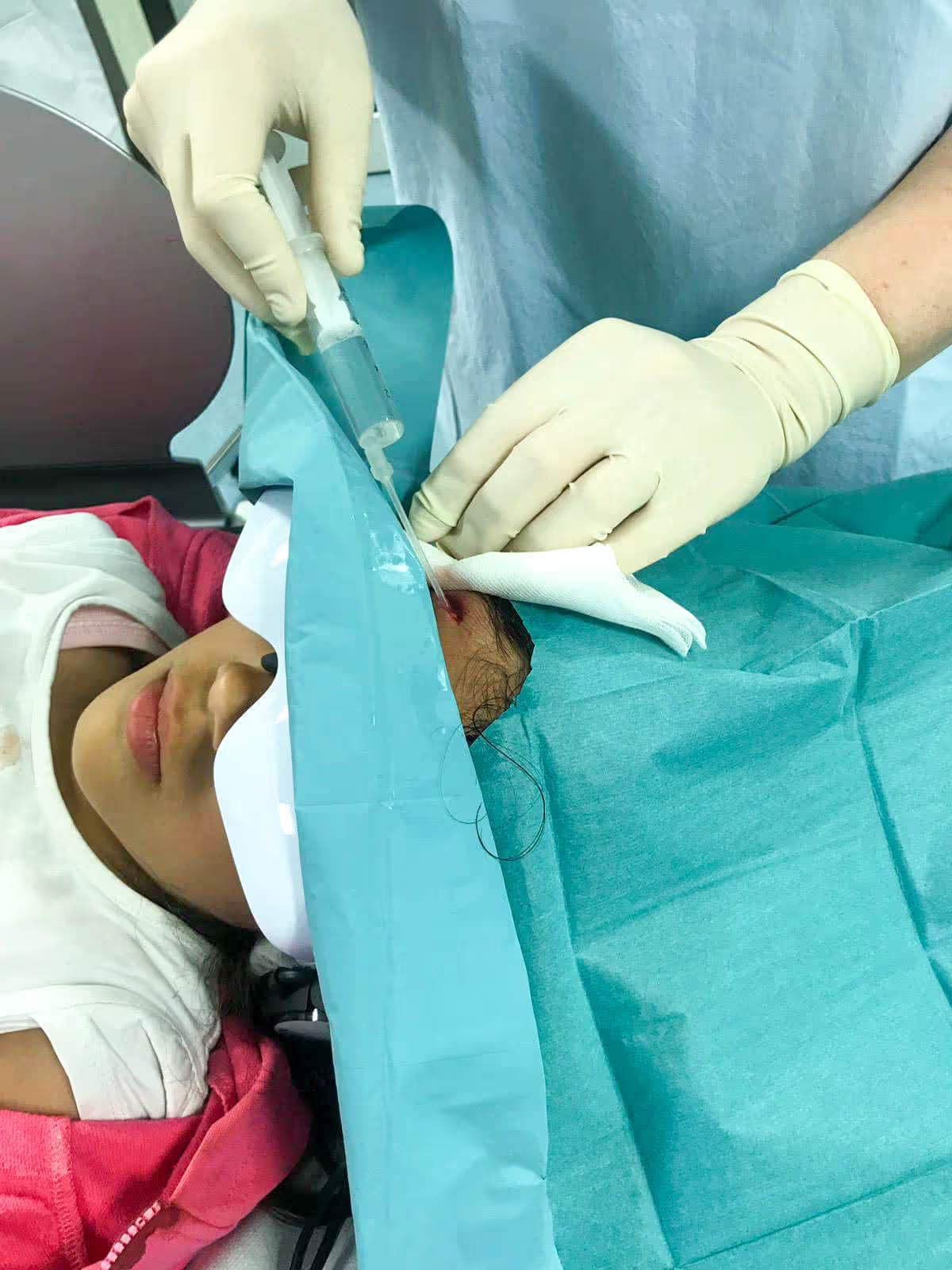
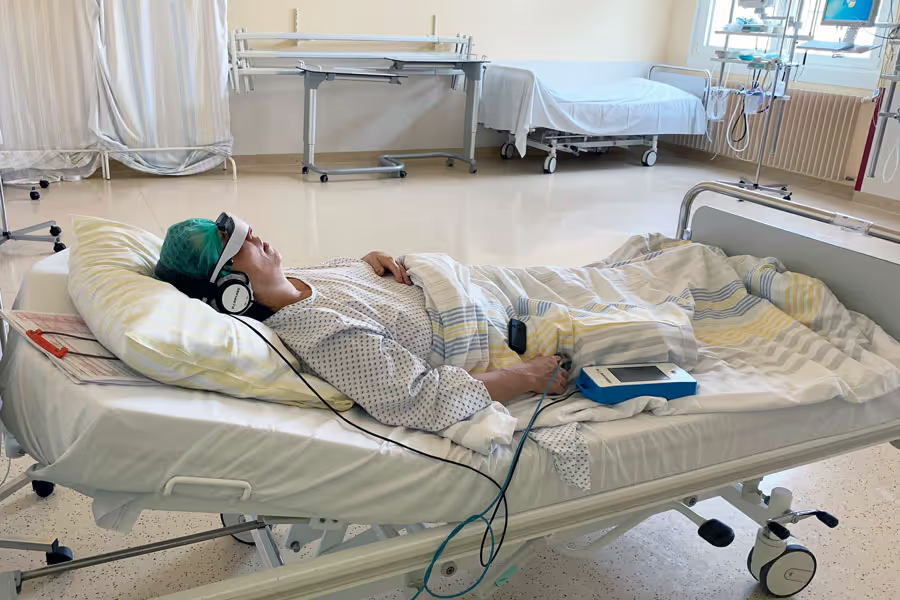
In the induction and recovery rooms for general anesthesia as well as during operations with regional anesthesia.

For PTCA, PTA, TAVI, and electrophysiological heart examinations (EPU).

For radiation therapy, infusion therapy and bone marrow punctures.
YOUR ADVANTAGES
One Solution. Three Perspectives.

OFFER FOR CLINICS
Start with a free 14-day trial
Experience the benefits of the HappyMed video glasses firsthand at your facility, together with your clinical team and patients.
Here's how the trial works:
TESTIMONIALS
Chief Physicians, Medical Directors & Board Members on HappyMed
Great new opportunity!
"The problem with patients is often that they are afraid of this partial anesthetic because they do not want to hear anything about the operation, because they are afraid that the anesthesia will not work properly and say: "I want general anesthesia." But they do not know about the risks of general anesthesia. This means that this method of audiovisual care for the patient during partial anesthesia is a great new opportunity."

We are totally satisfied. The staff has completely accepted the system.
"And the patients are incredibly happy about it. They are really well distracted, they are completely relaxed."

Finally, a digital answer to what medication alone cannot solve.
“HappyMed provides a digital solution to a problem that we doctors have so far been able to address, at best, with medication and reassuring words.”

Psychosomatic care meets innovative audiovisual technology.
“Taking psychosomatic mechanisms into account when treating anxious patients is essential, particularly in dentistry. As a complete audiovisual solution, HappyMed offers a system that is well worth recommending.”

Thanks to the HappyMed video glasses, patient acceptance of regional anesthesia procedures is also increasing.
"Almost without exception, additional sedation can be completely dispensed with. Their use is therefore an effective measure to reduce postoperative cognitive deficit states with extended hospital stays - especially in older patients. HappyMed is therefore a win-win for both patient and hospital. "
Less use of sedatives / anesthetics and faster regeneration after the operation!
“The top priority is to relieve our patients of fear and discomfort before a medical procedure. The HappyMed video glasses support our individual patient treatment, lead to fewer sedatives / anesthetics and faster regeneration after the operation. "

Oncology patients can forget the here and now for a while.
“Alongside the medical side of oncological treatment, we also have to think about our patients’ emotional needs. There are many ways to do this, such as listening to music, watching films, reading books and much more. What is interesting here is HappyMed’s idea of combining several of these elements and transporting patients into a world that helps them forget the here and now for a while.”

Greater patient comfort and treatment safety at the Heart and Vascular Centre.
“I am convinced that the video glasses can be of particular benefit to us at our interdisciplinary Heart and Vascular Centre (HGZ). Working closely with colleagues from a wide range of specialties, we are constantly striving to improve patient comfort and treatment safety. We are therefore delighted that, by using the video glasses, we can make both treatment and the hospital stay considerably more pleasant for patients at Sana Kliniken Lübeck.”
In practical application, we look forward to more relaxed patients.
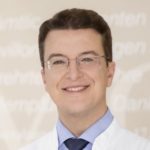
"I remembered the HappyMed video glasses from a visit to the Capital Anesthesia Congress last year. I was immediately convinced of the benefits of audiovisual distraction for patients before, during, or after surgery. Since the beginning of the year we have successfully used 3 HappyMed video glasses at our clinic. In practical use, we are happy about more relaxed patients, in many cases we were even able to save sedative medication. That is a good outcome, with a lasting positive effect on the postoperative phase."

We were amazed at the immediate positive effects, as well as at the acceptance in the clinics, by employees and patients.
"For us, patient wellbeing comes first, and we are happy to use innovative technologies to achieve it. We were amazed by the immediate positive effects: patients breathe more calmly, their heart beats more slowly, their perception of pain decreases, and with it the need for sedatives. The acceptance rate for regional anesthesia rises, phobias of doctors and hospitals can be positively influenced, and overall the video glasses lead to significantly higher patient satisfaction."

.avif)
BLOG
Latest studies & evaluations
%20Visual%20(1).png)
The full cinema experience: Hollywood blockbusters on the HappyMed Video Glasses
Read more »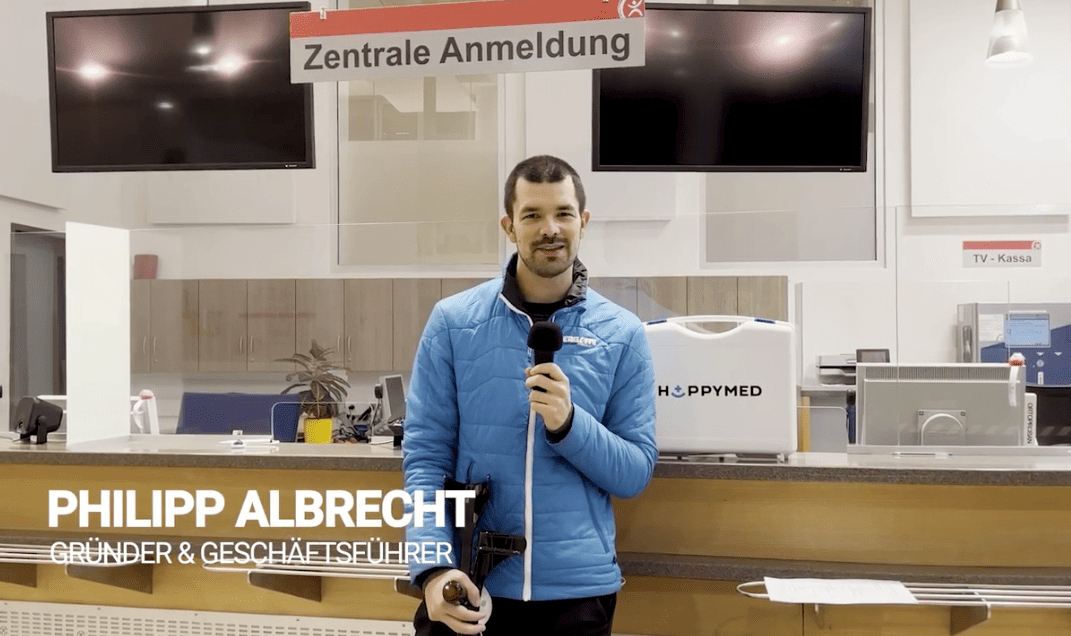
HappyMed CEO Philipp Albrecht: My experience with the video glasses during knee surgery
Read more »
FAQ
Do you have another question?
How well are the glasses being accepted by patients and nursing staff? Are there any numbers?
The program offers either entertainment or relaxation for all ages – for children as well as for seniors. Patients can choose among feature films, comedies, documentaries, nature relaxation, classical concerts, and children’s series.
According to a survey in several clinics of a German chain of clinics (n = 110), 92% of the patients would use HappyMed again. The medical staff enjoy working with HappyMed in more than 80% of the cases. In 45% of the interventions, HappyMed can save on sedatives, painkillers or anesthetics. In 73% of these cases, medication could even be completely dispensed with.
What's the difference between video glasses and VR headsets?
Virtual reality glasses are very popular in the entertainment industry, but have some disadvantages in medical use in the OR. When wearing the virtual reality glasses, the patient should be able to move and turn his head; this is the only way to perceive the full environment. In the operating room, however, it does not make sense for patients to move their head back and forth. It has also been found that virtual reality glasses can cause dizziness in some patients. Another disadvantage is the focus on the visual level. Patients are only distracted spatially and not acoustically. So you can perceive the surrounding noises and that in turn makes the calming effect more difficult. For these reasons, we at HappyMed use classic video glasses with headphones.
Can the video glasses also be used on children?
In the case of children, it is particularly useful to use it in the pre-operartive room. So you come to the operating room relaxed and only see the transfer from the bed to the operating table before the medical and film programs continue.
How much do the HappyMed video glasses cost?
The HappyMed Video Glasses can be rented or purchased.
Rental model: For € 249 per month, you receive the complete system including all film licenses for commercial use in hospitals. The content is continuously updated and expanded.
Purchase model: The one-time purchase price is € 8,499 . It includes the hardware as well as the full usage rights to the entire film selection for three years, licensed for Germany, Austria and Switzerland. From the fourth year onwards, the "Nature and Relaxation" category remains available. The full film selection can be added again at any time.
With both models, HappyMed takes care of selecting the content and managing the usage rights. This means your hospital is legally protected. The economic benefit comes from more regional anesthesia instead of general anesthesia, lower medication costs, reduced strain on nursing staff and shorter stays in the recovery room.
How economically viable are the HappyMed video glasses?
Medical interventions are associated with stress and anxiety . Some patients require higher doses of sedatives and / or analgesics for this reason. Frightened patients also opt for general anesthesia more often , even if, for example, the upcoming procedure would also be possible under regional anesthesia. The sequelae of higher drug doses etc. include the occurrence of postoperative delirium, a longer period of time before extubation or a longer stay in the recovery room. Taken as a whole, this results in an increased amount of care on the part of the anesthetists and nursing staff.
Examples with cost estimates:
- Patients who develop postoperative delirium have to stay an average of 4.2 days longer in the hospital and thus consume additional resources worth around € 1,200.
- Patients who were additionally pharmaceutically sedated before the regional anesthesia must be monitored in the recovery room for 2 hours after the operation. If you rate an hour in the recovery room with costs of approx. 600 €, this results in additional costs of 1,200 € for this one patient.
With the HappyMed video glasses there is a potential for savings through more regional anesthesiainstead of general anesthesia, through less pharmaceutical sedation, through a shorter time to extubation, through a shorter time in the recovery room, through a reduced risk of postoperative delirium and through the relief of the anesthesia and / or nursing staff.
In June 2021, for example, in the anesthesia department in the Schrobenhausen district hospital, the effect of HappyMed video glasses was examined on 88 patients over a period of 5 months . The evaluation not only dealt with the effect of audiovisual sedation on patients, but also included process-oriented topics such as the assessment of economic factors.
It was found here that the patient’s level of anxiety is significantly reduced through the use of glasses and that sedatives could be partially or completely reduced in over 80% of the interventions, according to the assessment of the treatment team.
Finally, it was possible to prove in an economic analysis that the use of HappyMed video glasses is also economical: despite primarily additional costs, the profitability could be proven through positive secondary and tertiary effects . An extrapolation allows the conclusion that the amortization of the video glasses with an isolated consideration of the sequela of “delirium” occurs with an avoidance of this per 113 uses.
The author goes on to say that, from an economic point of view, the marketing effect of video glasses can also create added value. Because other marketing measures are hardly feasible for such low expenditure as for the HappyMed video glasses.
You can find current reports on our press page . Innovative technologies are a magnet for local media and well-known TV & radio stations such as ORF, MDR, Das Erste, ProSieben, SAT.1 or RTL have already reported on HappyMed.
You can read more about the study here or you can download a more extensive whitepaper on savings potential in hospitals here.